
Gutter Overflow and Roof Edge Damage in DFW
Feb 19, 2026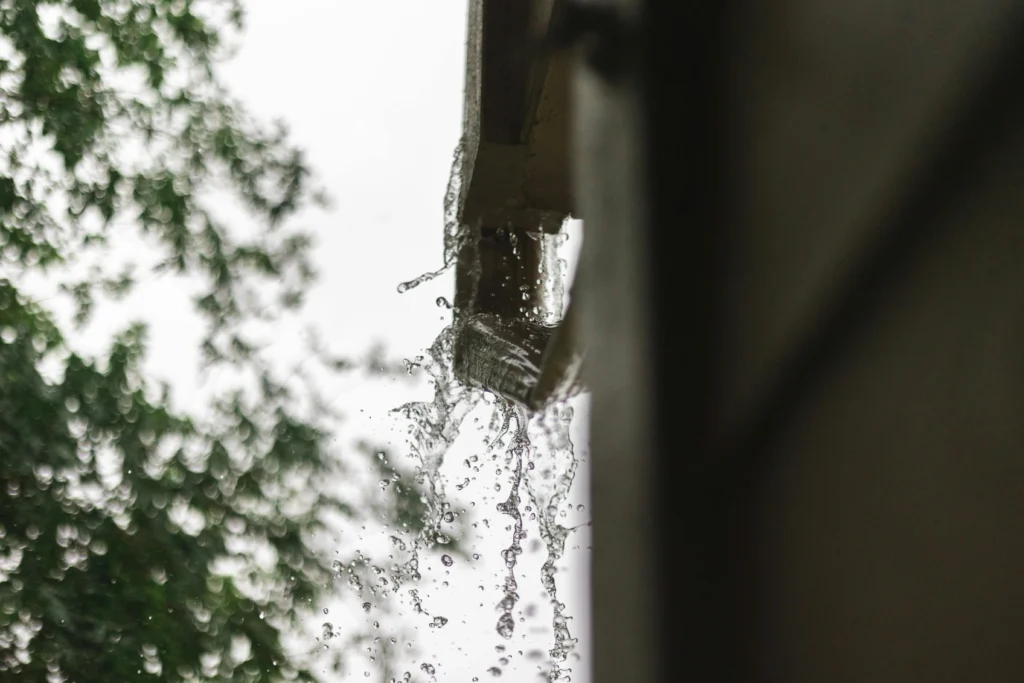
When gutters overflow, the water does not just “miss the gutter.” It often runs where it should never go, behind fascia, under roof edges, and into places that can rot wood and trigger leaks. In DFW downpours, overflow can happen fast if gutters are clogged, undersized, or pitched wrong. This post explains how gutter overflow causes roof edge damage, what to look for, and what to do next.
Quick Answer
- Gutter overflow can force water behind fascia and into roof edges, not just over the front lip.
- Common causes include clogs, improper pitch, loose hangers, and downspout restrictions.
- Roof edge damage often shows up as drip stains, soft wood, peeling paint, or interior leaks near exterior walls.
- Overflow can damage the drip edge, roof decking, and soffit areas over time.
- Checking downspout flow during rain can reveal drainage problems quickly.
- If you suspect roof edge damage, start with a roof inspection to confirm the source.
How does gutter overflow damage the roof edge
The homeowner’s question here is: can overflowing gutters really cause roof damage, or is it just a nuisance?
Overflow becomes a problem when water goes backward. Instead of dropping cleanly to the ground, water can ride the roof edge, get pulled behind the gutter, and soak the fascia and the roof edge assembly. Over time, that repeated wetting can lead to wood deterioration, staining, and leak paths that show up inside.
Roof edges are also a transition zone with multiple materials meeting. When water repeatedly hits that zone in the wrong way, small gaps can become bigger issues.
For broader context on storm patterns and common roof trouble spots in North Texas, refer to the Homeowner’s Guide to Roofing.
The most common reasons gutters overflow during DFW storms
Overflow is usually caused by one or more simple issues that stack together during heavy rain.
Clogged gutters or downspouts
Leaves, shingle granules, and small debris can block water flow. Sometimes the gutter looks fine from the ground, but the downspout is packed. During a downpour, water backs up and spills where it can.
Improper gutter pitch
Gutters need a slight slope toward downspouts. If the pitch is off, water pools in sections and then spills over during heavy rain instead of draining smoothly.
Loose hangers or sagging sections
When gutters pull away from the fascia, water can run behind the gutter instead of into it. This is one of the fastest ways to create roof edge wetting and rot risk.
Downspout restrictions
Kinks, crushed sections, underground tie-ins that are blocked, or outlets that dump into a clogged area can all slow flow. When the exit is restricted, the entire system backs up.
High-volume roof areas feeding one small section
Valleys and long roof runs can send a lot of water to one gutter section. During extreme rain, that volume can overwhelm a weak spot, especially if debris is present.
A quick checklist to spot roof edge damage and overflow clues
You can find many warning signs without climbing a ladder. Use this step-by-step checklist after a rain event.
- Watch gutters during rainfall if safe. Notice where water spills, and whether it pours over the front or behind the gutter line.
- Check downspout discharge. You should see a steady stream leaving the downspout. A weak trickle during heavy rain suggests a restriction.
- Look for drip stains on fascia and soffits. Dark streaks, peeling paint, or water marks are common signs of repeated overflow.
- Inspect the ground below overflow zones. Splash marks on siding, eroded soil, or puddling near the foundation can indicate chronic overflow.
- Check for granules. Heavy shingle granules in downspout discharge areas can indicate roof wear and also contribute to clogs.
- Look inside for edge-related stains. Ceiling stains near exterior walls or corners can be consistent with roof edge moisture issues.
If you are seeing staining, soft wood, or interior moisture, a roof inspection can confirm whether the roof edge is compromised and what repairs are needed.
What you can do now
These safe steps can reduce overflow risk and help you move faster if damage is already happening.
- Clear obvious debris from the ground. Remove leaves and buildup near downspout outlets and splash blocks.
- Document overflow behavior. Short videos during rain are useful for diagnosis and planning.
- Keep water away from the foundation. Make sure discharge points are moving water out and away, not dumping against the wall.
- Look for sagging sections. If a gutter line looks bowed or separated, note the location and avoid tugging on it.
- Monitor interior corners. After the next rain, check exterior wall corners and ceiling edges for new staining.
Avoid climbing ladders in wet conditions and avoid quick sealant fixes at the roof edge. If overflow is the cause, the drainage path needs to be corrected, not covered up.
When to call a pro
Schedule a roof inspection if you notice any of the following:
- Water running behind gutters or a visible separation from the fascia
- Soft, stained, or peeling fascia and soffit areas
- Recurring interior stains near exterior walls or ceiling edges
- Overflow that happens repeatedly during normal rain, not only extreme storms
If the roof edge has localized damage or a specific leak point, roof repair is usually the right next step once the source is confirmed.
If edge damage is widespread or the roof shows broad aging and repeated storm issues, review roof replacement and plan a full system solution.
For the broader homeowner guide on common roof trouble spots and seasonal stress in Carrollton and the DFW area, read Homeowner’s Guide to Roofing. If gutter overflow is causing roof edge issues, start with a roof inspection, then move into roof repair or roof replacement based on what the inspection confirms.
FAQ
Can overflowing gutters cause a roof leak?
Yes. Overflow can push water behind fascia and into the roof edge areas, where it can reach the roof decking and interior. Leaks often show up near exterior walls or ceiling edges.
How do I know if water is going behind the gutter?
During rain, look for water streaking behind the gutter line or dripping from the back edge. Staining on fascia and soffits is also a common clue.
Why does overflow happen only during heavy rain?
Heavy rain increases volume and exposes weak points like partial clogs, poor pitch, or restricted downspouts. The system may seem fine in light rain but fail in downpours.
What parts of the roof edge get damaged first?
Fascia and soffit areas often show staining and paint failure early. Over time, drip edge details and roof decking can be affected if water continues to back up.
What is the fastest way to confirm roof edge damage?
A professional inspection can confirm whether the roof edge assembly is compromised and identify the real path water is taking. It also helps prevent repeat leaks during the next storm.
Gutter overflow is one of those problems that looks minor until it starts affecting the roof edges and interior ceilings. If you are in DFW and you are seeing overflow, stains, or soft fascia areas, start with a roof inspection. From there, the right move is a targeted roof repair or a planned roof replacement if the roof system is showing widespread wear.