
Why One Room Is Hotter Window: Heat Gain Explained
May 18, 2026
If one room in your home feels noticeably hotter than the rest, your windows are often the reason. In many Carrollton and DFW homes, uneven heat comes from how sunlight enters, how well windows block it, and how air moves around them. Here is what is actually happening and how to fix it.
Quick Answer
- South and west-facing windows receive the most intense afternoon sun
- Older or single-pane glass allows more heat to pass indoors
- Poor seals let hot outdoor air leak inside
- Missing or damaged window coatings increase solar heat gain
- Limited shade outside the window raises indoor temperatures
- Airflow issues trap heat in certain rooms
Why Does One Room Get Hotter Than Others?
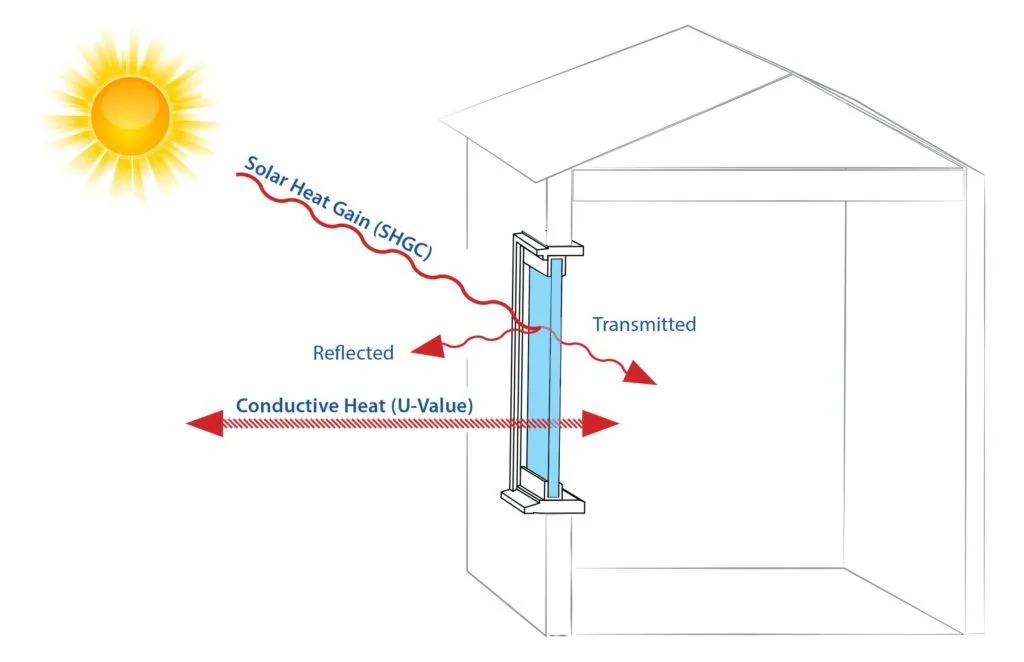
The main cause is “solar heat gain”. This is when sunlight passes through your window glass and heats your home. Not all rooms receive the same amount of sun. In DFW, west-facing rooms often heat the most in the afternoon.
Window size also matters. Larger windows bring in more light, but also more heat. If one room has bigger or more exposed windows, it will naturally feel warmer.
This is not just a comfort issue. Over time, uneven heat can strain your HVAC system and raise energy use. If you want a broader understanding of how windows affect your home overall, see the window replacement guide.
How Do Windows Actually Let Heat In?
Heat enters through three main ways:
1. Direct sunlight
Sunlight passes through the glass and becomes trapped heat inside the room.
2. Conduction through glass
Thin or outdated glass allows outside heat to transfer indoors.
3. Air leakage
Gaps around frames let hot air seep inside, especially during peak summer heat.
Modern windows reduce these problems using double panes, gas fills, and coatings. Older windows often lack these features, which is why some rooms feel much hotter than others.
How Can You Tell If Your Windows Are the Problem?
Use this quick checklist:
- The room is hotter mainly during sunny hours
- You feel heat when standing near the window
- The glass feels warm or hot to the touch
- Curtains or blinds reduce the heat noticeably
- You notice drafts or slight air movement near the frame
If you check two or more of these, your windows are likely contributing to the issue. At this stage, a proper window inspection can confirm the exact cause.
What You Can Do Now
These are safe and immediate steps you can take:
Short-term fixes
- Close blinds or curtains during peak sun hours
- Use reflective or blackout curtains for west-facing windows
- Add temporary window film to reduce heat gain
Airflow improvements
- Keep doors open to allow air circulation
- Use fans to move trapped hot air out of the room
Outdoor adjustments
- Add shade using plants, awnings, or exterior screens
These steps help reduce heat, but they do not solve underlying window performance issues.
When to Call A Pro
If the heat problem keeps coming back, it is time to bring in a professional.
Call for a window inspection if:
- You are unsure whether the issue is glass, seals, or airflow
- The problem is limited to one or two rooms
Consider window replacement if:
- The windows are older and inefficient
- Multiple rooms are affected
- You want long-term energy and comfort improvement
If there are visible gaps, seal failures, or minor issues, window repair may be enough.
Want a complete breakdown of how windows affect comfort and energy use? Start with the windows replacement guide, then explore your options with windows replacement, or book an inspection to get clear answers.
FAQ (Frequently Asked Questions)
Why is my upstairs room always hotter?
Heat rises, and upstairs rooms often receive more direct sunlight. Combined with window exposure, this makes them significantly warmer than lower floors.
Do curtains really reduce window heat?
Yes. Thick or reflective curtains can block a large portion of solar heat from entering the room, especially during peak sunlight hours.
Are newer windows better at blocking heat?
Modern windows are designed to reduce heat transfer using multiple panes and coatings. They can significantly lower indoor heat compared to older windows.
Can window orientation really make that much difference?
Yes. West-facing windows in DFW receive strong afternoon sun, which is the hottest part of the day, making those rooms warmer.
Should I repair or replace my windows?
It depends on the condition. Minor issues can be repaired, but older or inefficient windows usually benefit more from replacement.
If one room in your Carrollton or DFW home stays hotter than the rest, your windows are likely the cause. The next step is simple. Schedule an inspection to identify the issue and decide whether repair or replacement is the right move.