
Hail Season Prep Checklist for DFW
Feb 19, 2026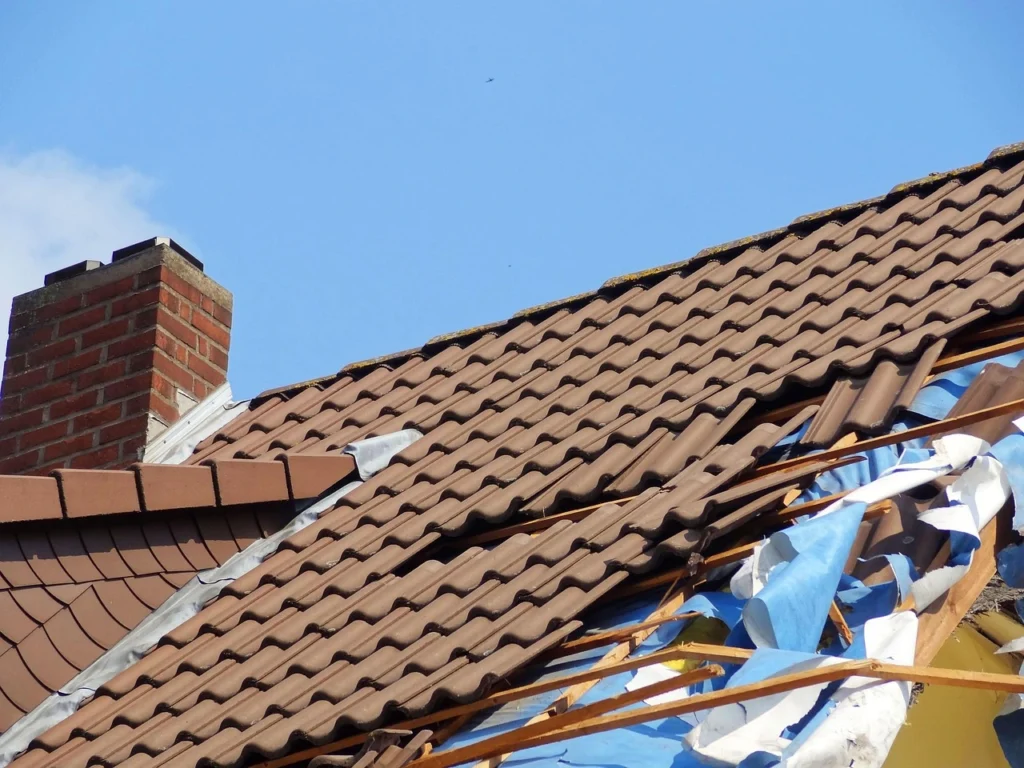
Hail season in DFW has a way of turning “I’ll deal with it later” into a last-minute scramble. The best prep is simple: reduce easy risk, make post-storm checks faster, and know exactly what to do if you suspect damage. This hail season prep checklist is built for homeowners who want practical steps, not guesswork, before the next round of storms hits.
Quick Answer
- Clear drainage and trim branches so hail and rain can move off the roof safely.
- Photograph your roof and exterior now so you have a clean “before” reference.
- Secure outdoor items and protect vehicles to reduce storm debris impacts.
- Know the top hail damage clues: dents, granules, lifted shingles, and flashing shifts.
- After any hail event, check ceilings and the attic before you worry about the roof surface.
- If you are unsure, schedule a roof inspection to confirm what is cosmetic versus functional.
What hail prep should actually accomplish
The homeowner’s question behind this topic is: What can I do now that will truly help when hail hits?
Good hail prep does three things:
- Reduces avoidable damage like clogged drainage and flying debris issues.
- Makes post-storm checks faster because you know what to look for and you have baseline photos.
- Shortens the time to action if damage is real, so small issues do not become leaks later.
If you want the larger context on roofing materials and storm patterns in North Texas, refer to the Homeowner’s Guide to Roofing.
Pre-hail season checklist for DFW homeowners
This is the work you do before storms show up on the forecast. Keep it simple and safe.
- Clear gutters and downspouts. Make sure water can exit quickly during heavy rain.
- Trim branches near the roof. Branches can break in the wind and create impact points on shingles and flashing.
- Walk the perimeter and look up. Note any shingles that already look lifted, curled, or uneven.
- Photograph your roof from the ground. Take wide shots of each roof slope and close-ups of valleys, edges, vents, and chimney areas if visible.
- Check attic access safely. From the hatch, look for older staining, damp insulation, or obvious daylight near roof penetrations. Do not walk in the attic.
- Secure outdoor items. Patio furniture, grills, loose yard decor, and tools can become wind-driven projectiles.
- Plan vehicle protection. Identify where you will park if hail is forecast, such as a garage or covered area.
These steps do not prevent hail, but they reduce the “extra” damage that comes from poor drainage, debris impacts, and delayed detection.
What to check right after a hailstorm
After hail, most homeowners jump straight to the roof. Start inside first. It is faster and often more telling.
Inside checks first
- Ceilings and walls: look for new stains, bubbling paint, or damp corners.
- Attic flashlight check: look for drip trails, wet insulation, or shiny wet nail tips. Avoid stepping on drywall.
Then check outside from the ground
- Gutters and downspouts: look for dents and fresh granules.
- Window trim and vents: dents here can suggest hail intensity.
- Roof edges and ridges: look for lifted shingles or shifted ridge caps.
If anything looks suspicious or you are unsure what it means, a roof inspection is the cleanest way to confirm whether the issue is cosmetic or functional.
What you can do now
If you want one short list to act on today, this is it.
- Take baseline photos. Save them in a folder labelled by date.
- Clear drainage paths. Gutters and downspouts should move water quickly.
- Trim obvious overhangs. Reduce the chance of branch impacts during wind.
- Prepare a simple storm kit. Flashlight, spare batteries, towels, and a bucket for quick leak containment.
- Decide your next step now. If you suspect hail damage this season, plan to schedule a roof inspection rather than waiting for a leak.
When to call a pro
Schedule a roof inspection if you notice any of the following after hail:
- New ceiling stains, attic moisture, or a musty smell
- Heavy granules at downspouts or shingle fragments on the ground
- Lifted shingles, missing shingles, or shifted ridge caps
- Dents concentrated near flashing, vents, chimneys, or roof transitions
If the issue is localized and confirmed, roof repair is often the right next step to prevent leaks.
If damage is widespread or the roof is already near the end of its life, review roof replacement as part of a longer-term plan.
For the bigger homeowner guide on roofing materials, seasons, and storm stress in Carrollton and the DFW area, read Homeowner’s Guide to Roofing. If you want peace of mind before or after hail season, start with a roof inspection, then use roof repair or roof replacement based on what the inspection confirms.
FAQ
What is the most important thing to do before hail season?
Clear drainage and take baseline photos. Drainage reduces avoidable water backup issues, and photos give you a clear “before” reference if you suspect damage later.
Should I check the roof right after a hailstorm?
Start inside first by checking ceilings and the attic access point safely. Then check outside from the ground. Avoid roof walking, especially when surfaces may be wet or damaged.
What does hail damage look like on shingles?
It can show up as granule loss, bruising, lifted edges, or missing pieces. Some signs are subtle from the ground, which is why inspections are useful when you are unsure.
Can hail damage be cosmetic only?
Yes, especially on some metal surfaces where dents may not affect performance. The key is confirming whether seams, flashing, or shingles were compromised, since those are the typical leak pathways.
When should I schedule a roof inspection during hail season?
If you see any interior moisture signs, heavy granules, missing shingles, or flashing issues, schedule an inspection as soon as practical. If everything looks normal, keep monitoring after the next few rains.
Hail season prep is mostly about being ready, not being anxious. If you are in DFW and you want a clear plan before storms hit or you suspect damage after a hail event, start with a roof inspection. From there, the next right step is either a targeted roof repair or a planned roof replacement if the roof is showing widespread wear.