
What to Do Before the Roofing Crew Arrives
Feb 19, 2026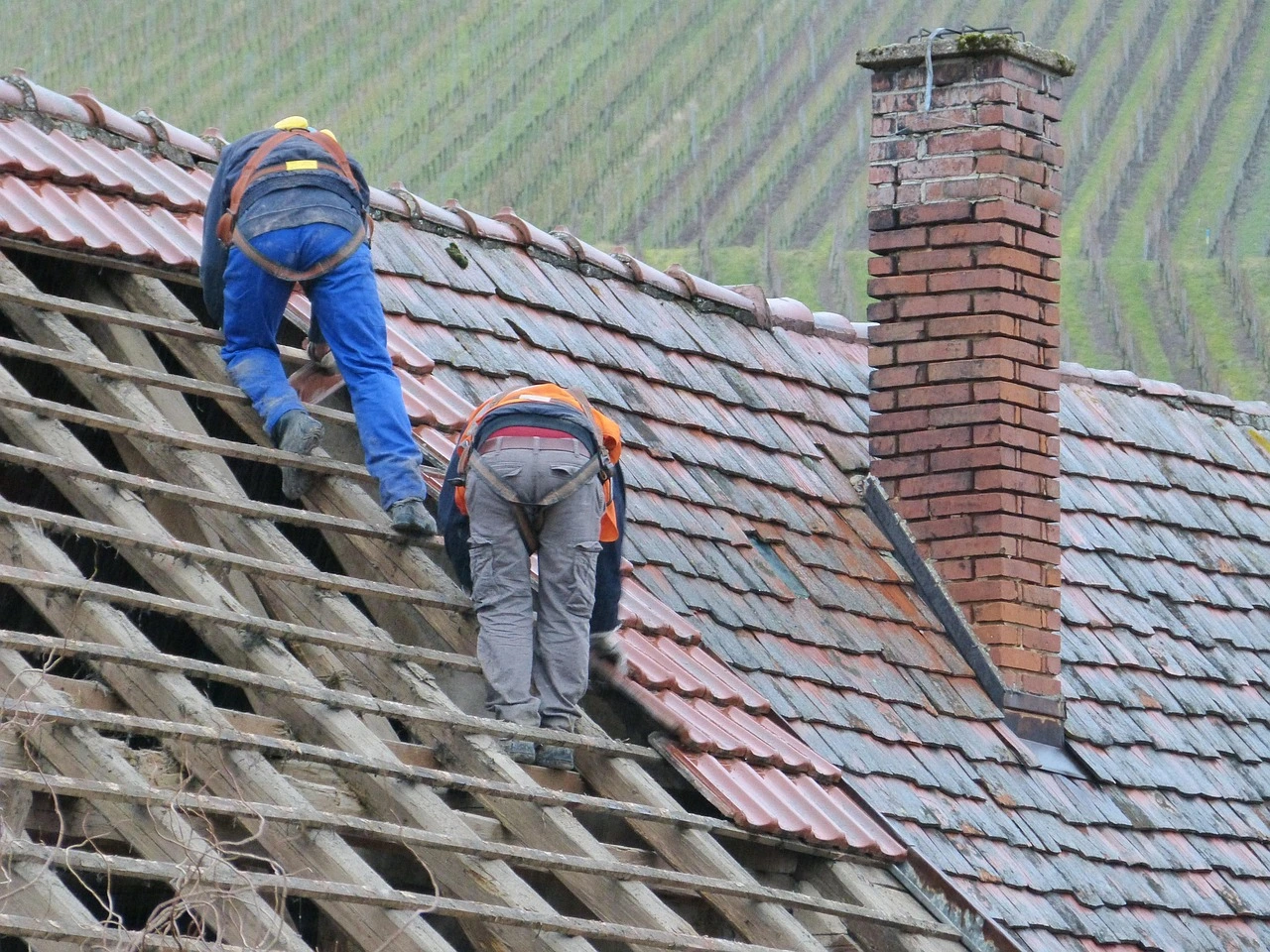
Roof work is one of those projects that goes smoother when the homeowner does a few simple things ahead of time. In DFW, that matters even more because crews often schedule around weather windows. This post answers one question: what should you do before the crew arrives, so your roof repair or replacement starts clean, stays safe, and finishes with fewer surprises.
Quick Answer
- Clear the driveway and a path to the home for crew parking, materials, and debris handling.
- Move outdoor items away from roof edges to protect them from falling debris and dust.
- Secure pets and plan for noise, especially during tear off and cleanup.
- Protect fragile items inside, including wall decor on exterior walls.
- Confirm access points, gate codes, and where the crew should stage materials.
- If you have questions about scope, get clarity first with a roof inspection.
Why prep matters before roofing work
The question behind the question is usually this: what can I do that actually helps, and what is just busywork?
Good prep does three things. It keeps people safe, protects your property, and removes friction that slows the crew down. Even on a straightforward job, small delays pile up. In Carrollton and across the DFW Metroplex, weather can already put pressure on the schedule, so a smooth start matters.
If you want the bigger picture on what to expect from roofing work in North Texas, the Homeowner’s Guide to Roofing is a helpful overview.
The before the crew arrives checklist
Use this checklist the day before, or the morning of the job if you are short on time.
Outside the home
- Clear the driveway. Make room for a work truck, possible material delivery, and debris handling.
- Move patio items away from the house. Pull grills, planters, furniture, and décor back from the eaves.
- Protect vehicles. Park cars in the street or farther down the drive if possible.
- Open access points. Unlock gates and remove obstacles near side yards or fence lines.
- Flag anything fragile. If you have delicate landscaping or irrigation heads near drip lines, note it and mention it to the crew lead.
Inside the home
- Secure wall hangings. Take down fragile frames on exterior walls, especially in bedrooms and living rooms.
- Protect items on shelves. Vibration during tear off can rattle shelves and display items.
- Plan your workday. Roofing is loud. If you have calls, pick a quieter room or plan time away.
- Check attic access. Make sure the attic hatch is not blocked if the crew needs to inspect from inside.
Pets and kids
- Set a safe zone. Choose an interior room away from exterior walls and windows.
- Plan for escapes. Doors may open often. Keep pets secured and consider a leash routine.
- Noise management. Some pets do better off site during tear off hours.
What you can do now
If the job is scheduled soon, these quick actions are the highest impact and lowest effort.
- Confirm the plan. Ask where materials will be staged and where the dumpster will go if one is used.
- Make parking simple. Clear the driveway and leave a clear path to the front door.
- Do a fast yard sweep. Move anything you care about away from the house perimeter.
- Prep your inside spaces. Take down fragile frames and secure anything that can fall.
- Set expectations at home. Tell family members when the noise starts and where pets will be during the day.
If you are still not sure whether the job should be repair or replacement, start with roof inspection. That keeps prep focused and avoids planning around the wrong scope.
When to call a pro
Call a pro before the scheduled work and request a roof inspection if:
- You are unclear whether the job is a repair or a full replacement
- You have active leaks and need safe temporary guidance
- You suspect widespread issues, like repeated leaks or visible roof field wear
- You want a clear scope so the timeline and staging plan make sense
If the issue is localized, the best next step is usually roof repair. If the roof is at end of life or problems are widespread, the right path is often roof replacement.
Want the full homeowner overview for roofing in North Texas, including seasons and common issues? Read the Homeowner’s Guide to Roofing. If you are preparing for scheduled work and need clarity on scope, start with roof inspection, then follow the recommended path for roof repair or roof replacement.
FAQ
Do I need to be home when the crew arrives?
Not always, but it helps to be available at the start for quick questions about access and staging. If you cannot be home, make sure gates are unlocked and any key details are shared ahead of time.
Should I cover furniture or move things out of rooms?
In most cases, you do not need to cover furniture. The more useful step is securing wall hangings and fragile items on shelves, since vibration is more common than dust indoors.
Where should I park my car during roofing work?
It is usually best to park away from the driveway to keep access open and reduce the chance of dust or debris landing on the vehicle. If street parking is available, that is often the simplest option.
What should I do with my pets during the job?
Keep pets in a secure interior space and plan for frequent door openings. If your pet is anxious with loud noise, consider keeping them off site during the loudest part of the day.
What if I think the job scope is bigger than expected?
Do not guess. Ask for clarity and request a roof inspection so you understand exactly what is being addressed and why.
A little prep goes a long way, especially with DFW weather and tight scheduling windows. If you are in Carrollton or anywhere in DFW and you want the job to start smoothly, use the checklist above and confirm scope early. If anything feels uncertain, start with a roof inspection, then move into roof repair or roof replacement based on what the inspection confirms.